
Rural Development
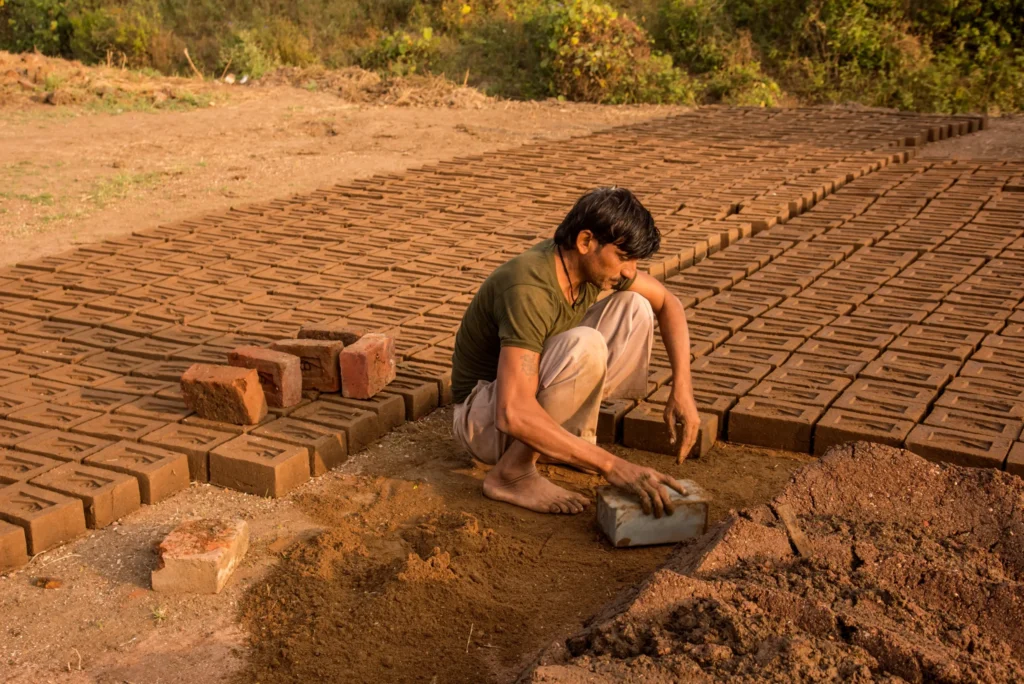
Rural development is a crucial part of global efforts to reduce poverty, improve living conditions, and ensure sustainable development. Millions of people living in rural areas around the world face significant challenges, including limited access to electricity, clean water, sanitation, education, healthcare, and economic opportunities. In 2015, it was estimated that around 2.8 billion people lacked modern energy services and more than 1 billion had no access to electricity. These limitations often trap rural communities in cycles of poverty, reduce productivity, and negatively affect health and education outcomes. For instance, only 56 percent of births in rural areas are attended by skilled health personnel, compared to 87 percent in urban areas. Similarly, about 16 percent of rural populations still lack access to safe drinking water, compared to 4 percent in urban areas, and nearly half of rural households do not have improved sanitation facilities, highlighting the gap in basic services between rural and urban regions.
Sustainable Development Goal 2 (SDG 2) focuses on ending hunger, achieving food security, improving nutrition, and promoting sustainable agriculture. It recognizes that rural development and sustainable agriculture are closely connected. SDG 2 emphasizes the need for increased investment in rural infrastructure, agricultural research, technology development, and gene banks for plants and livestock. These measures aim to improve agricultural productivity, support small-scale farmers, and ensure food security, especially for vulnerable populations. Promoting sustainable agriculture involves producing enough food in a way that protects the environment and natural resources, providing steady income and employment opportunities for rural communities, and making nutritious food accessible to all. This approach also requires education initiatives, economic incentives, and new technologies that improve agricultural practices while supporting environmental sustainability.
The importance of rural development has been recognized by the United Nations for decades. Chapter 14 of Agenda 21, adopted in 1992, emphasized that sustainable agriculture must meet the food needs of a growing population while protecting natural resources. It highlighted the need for policy adjustments at national and international levels, including economic, environmental, and agricultural policies. The Commission on Sustainable Development (CSD) first reviewed rural development in 1995, expressing concern over the slow progress in achieving sustainable agriculture and rural development in many countries. Subsequent reviews, including the five-year assessment in 1997, reinforced the need to prioritize food security, reduce hunger, and implement the commitments of the World Food Summit, such as halving the number of undernourished people globally by 2015. These frameworks laid the foundation for integrating rural development into broader strategies for sustainable development.
Global initiatives have consistently highlighted the links between rural development, food security, and broader economic and social goals. The Millennium Development Goals (MDGs) included reducing hunger as a target, while the High-Level Political Forum and Rio+20 outcomes emphasized the “nexus” approach, connecting rural development with energy, health, education, water, gender equality, and economic growth. By addressing multiple factors together, this approach aims to create sustainable and resilient rural communities. Rural development also requires empowering local communities, especially women and small-scale farmers, giving them equal access to land, resources, markets, and financial services. Strengthening rural infrastructure, such as roads, irrigation, and energy supply, is crucial for improving productivity, reducing food losses, and connecting rural areas to markets and services.
Rural development is also closely linked to environmental sustainability. Sustainable agricultural practices help maintain soil quality, conserve water, protect biodiversity, and adapt to climate change. Resilient farming systems and diversified crops reduce vulnerability to extreme weather events, droughts, floods, and other natural disasters. Maintaining genetic diversity through seed banks and livestock gene banks ensures long-term food security and allows farmers to adapt to changing environmental conditions. By combining economic growth with environmental stewardship, rural development can support both human well-being and the health of ecosystems.
National strategies play a central role in promoting rural development. Governments must create policies that improve access to basic services, support sustainable farming, and provide social protection for rural populations. Country-specific programs are necessary because rural challenges differ between regions. Successful strategies involve collaboration among government agencies, civil society, farmers’ organizations, and international partners. Data collection, monitoring systems, and flexible planning are essential to adjust to new challenges, such as climate change, migration, and demographic shifts. International cooperation, technology transfer, and investments in research and infrastructure are also vital for strengthening rural communities.
Rural development is closely linked with many other Sustainable Development Goals. Access to clean water and sanitation (Goal 6) ensures that rural communities stay healthy and productive. Good health and well-being (Goal 3) are critical for farmers and families to work effectively and improve their quality of life. Quality education (Goal 4) empowers rural children and adults with the knowledge and skills needed for better employment opportunities. Decent work and economic growth (Goal 8) create jobs and income, helping rural populations escape poverty. Reducing inequalities (Goal 10) ensures fair access to resources, land, and opportunities, especially for women and marginalized groups. Sustainable cities and communities (Goal 11) connect rural areas to urban markets and services, while climate action (Goal 13) and life on land (Goal 15) protect natural resources that farmers depend on. Partnerships for the goals (Goal 17) mobilize financial, technical, and knowledge support from governments, organizations, and the private sector to make rural development successful and sustainable.
In conclusion, rural development is essential for ending hunger, reducing poverty, and promoting sustainable development. It ensures that rural populations have access to food, education, healthcare, energy, and economic opportunities. Sustainable agriculture, environmental protection, social inclusion, and resilient infrastructure are all important aspects of rural development. By prioritizing these strategies and connecting them with other Sustainable Development Goals, countries can empower rural communities, strengthen food security, and create a fair and sustainable future for all. SDG 2 provides a clear framework for action, showing that ending hunger and promoting sustainable agriculture require combined efforts from governments, communities, and international partners to ensure that no one is left behind.