No Poverty

Home
/
17 Goals
/
Goal 1
/

Work to eliminate poverty in all its forms and support people in building better lives.

Targets: 5
Events: 87
Publications: 144
Actions: 1,552

No Poverty

Ending Poverty in All Its Forms

Introduction

Poverty is more than just not having money. It also means lacking access to food, education, healthcare, clean water, safe housing, and opportunities to live with dignity. To address this challenge, the United Nations made “No Poverty” the first Sustainable Development Goal (SDG) in 2015. The target is bold: to end poverty in all its forms everywhere by 2030.

Understanding Goal 1- No Poverty

The purpose of Goal 1 is to make sure that all people, especially the most vulnerable, have the resources and opportunities they need to live a decent life. It is not only about ending extreme poverty—defined as living on less than $1.90 a day—but also about building systems that stop people from falling back into poverty due to natural disasters, health crises, conflict, or economic instability.
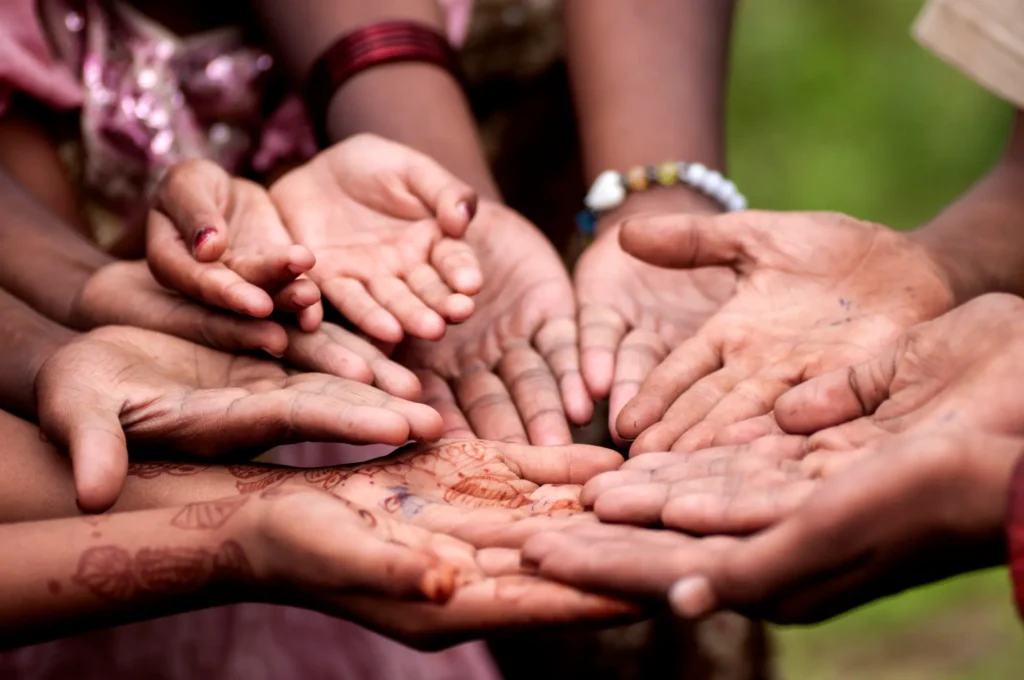
Why Goal 1 Matters

Foundation for all SDGs

Without reducing poverty, progress in areas like education, health, and equality cannot be fully achieved.

Human dignity

Ending poverty protects fairness, equality, and basic human rights.

Inclusive development

Poverty reduction helps both cities and rural areas, creating shared prosperity.

Global responsibility

Governments, communities, businesses, and individuals all have a role to play.

Targets of Goal 1 - No Poverty

Pathways to End Poverty

Efforts to achieve Goal 1 are carried out through several approaches:

Challenges to Overcome

Although progress has been made, poverty continues to be a major global challenge. Climate change, wars, inequality, and crises like the COVID-19 pandemic have pushed millions back into poverty. Women, children, and rural communities are among the most affected, making stronger policies, fairer systems, and greater international cooperation essential.

Moving Forward

Ending poverty requires long-term solutions rather than short-term fixes. Governments need to build inclusive economies, strengthen social protection systems, and prepare communities for future crises. Global partnerships and local action must work hand in hand to achieve this shared vision.

Conclusion

Goal 1: No Poverty is the foundation of the 2030 Agenda for Sustainable Development. It is about more than just lifting people out of poverty—it is about creating fairer, more resilient, and more sustainable societies where everyone can live with dignity.

At Sustainable Development Goals, we believe that ending poverty is the first step toward building stronger communities and a brighter future for all. Together, we can make sure no one is left behind.

Ending poverty is not only a global commitment—it is a shared responsibility for a better world.