
Poverty Eradication
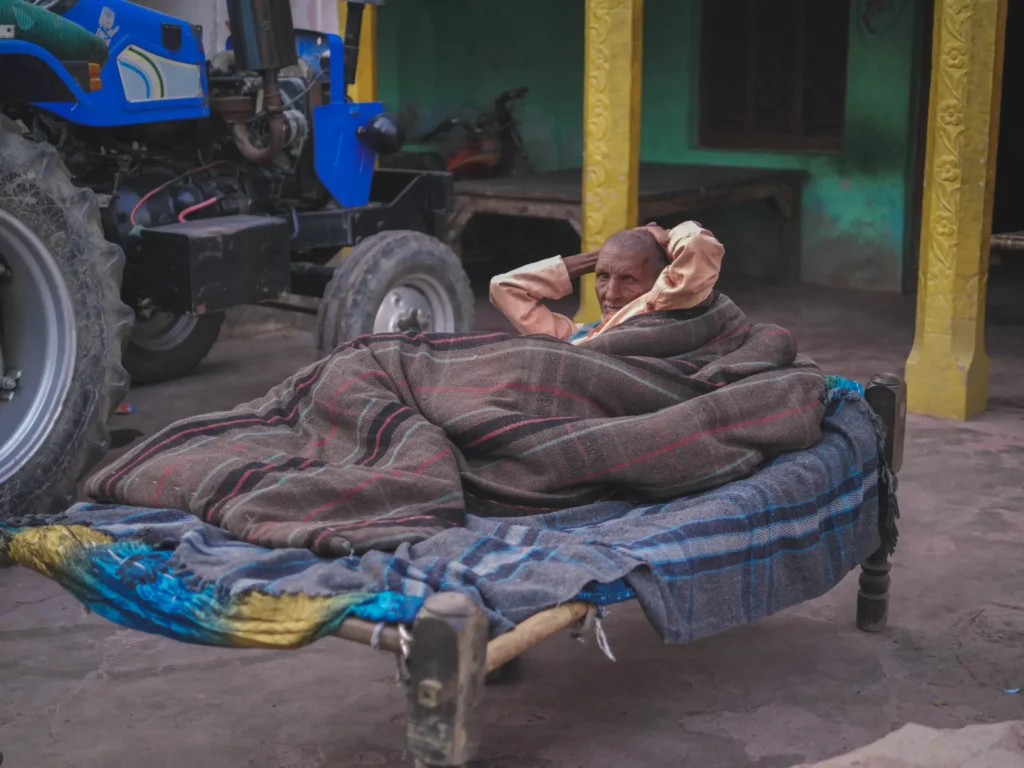
Poverty is one of the biggest problems facing the world today. It affects billions of people and goes beyond just not having enough money. Poverty also means not having access to basic things like food, clean water, healthcare, education, and opportunities to improve life. The 2030 Agenda for Sustainable Development recognizes that ending poverty in all its forms, including extreme poverty, is the most important global challenge. It is also essential for sustainable development. To achieve this, countries need plans that address social, economic, and environmental issues together, making sure that no one is left behind.
The first Sustainable Development Goal (SDG 1) focuses on ending poverty everywhere. Its targets include eradicating extreme poverty for all people, reducing by at least half the number of people living in poverty, and creating social protection systems to help vulnerable populations. SDG 1 also highlights the importance of giving people equal access to resources, services, land, technology, and financial help like microfinance. These measures allow individuals to improve their lives in a lasting way. In addition, SDG 1 emphasizes building resilience among poor people so they are protected from natural disasters, economic problems, and other challenges.
The global fight against poverty has a long history. In September 2000, at the Millennium Summit, 189 countries promised to “spare no effort to free people from extreme poverty.” This promise led to the creation of the Millennium Development Goals (MDGs), which set clear actions to improve the lives of the world’s poorest people. Through the MDGs, more than one billion people were lifted out of extreme poverty. Hunger was reduced, more girls went to school, and steps were taken to protect the environment. However, progress was not the same everywhere. Many countries still struggled with poverty and inequality.
The experience of the MDGs helped shape the 2030 Agenda and its SDGs. The new goals aim to finish the work that the MDGs started. Global platforms like the High-Level Political Forum emphasize that reducing poverty is connected to other important issues, including health, education, social protection, and fair economic growth. Programs such as the Second UN Decade for the Eradication of Poverty (2008–2017) focused on full employment and decent work as a key way to reduce poverty. They showed that economic growth, productivity, entrepreneurship, and private investment are important for improving living standards.
International agreements have also stressed the importance of fighting poverty. Agenda 21, adopted in 1992, described poverty as a complex problem that has both national and global causes. The Johannesburg Plan of Implementation (2002) called poverty eradication the greatest global challenge. It highlighted the need for national governments to lead efforts to reduce poverty while also coordinating with international partners. Key actions include improving access to jobs and resources, providing basic services, creating social protection systems, empowering people living in poverty, addressing the special challenges faced by women, and increasing international cooperation and development assistance.
Later agreements, including the outcome document of Rio+20, The Future We Want, reiterated that ending poverty must be a top priority. They emphasized addressing the root causes of poverty through coordinated strategies at all levels. Providing social protection, education, healthcare, and fair economic opportunities are essential to build sustainable progress and ensure that poor and vulnerable populations are supported.
National strategies are critical in reducing poverty. Governments are responsible for making policies that provide equal access to resources and services, implement social protection systems, and include marginalized populations in decision-making. Each country faces its own challenges, so solutions must fit local needs. Successful strategies require collaboration between government departments, civil society, and international partners. They also need good data, monitoring systems, and flexible plans to respond to changes, such as economic shifts, climate risks, and population growth.
Poverty is connected to many other global challenges. Access to quality education and healthcare (Goals 3 and 4), clean water and sanitation (Goal 6), decent work and economic growth (Goal 8), and reducing inequality (Goal 10) all help reduce poverty. Protecting cities and the environment (Goals 11, 13, 14, and 15) ensures that people are safer from climate disasters and environmental risks. Strong institutions and good governance (Goal 16) and partnerships for development (Goal 17) are also important for mobilizing resources, knowledge, and support to fight poverty effectively.
Poverty continues to be a serious problem, especially in developing countries, where economic inequality, social exclusion, and environmental risks often overlap. Women and children are usually affected the most, so gender-sensitive policies are needed. Long-term improvements require integrated strategies that combine economic growth, social protection, education, healthcare, and measures that help people recover from shocks. History has shown that reducing poverty is possible, but it takes strong commitment, cooperation, and recognition that poverty is a problem with many dimensions.
In conclusion, ending poverty is not only a moral duty but also necessary for sustainable development. SDG 1 provides a clear plan, showing that fighting poverty requires more than just increasing income. People also need access to services, support, opportunities, and protection. By including poverty reduction in national strategies, helping vulnerable groups, and working together across countries and sectors, the global community can create a fairer, safer, and more sustainable world. The promise of leaving no one behind is central to the 2030 Agenda, making sure every person can live a life free from poverty, with dignity, security, and opportunity.