
Forests
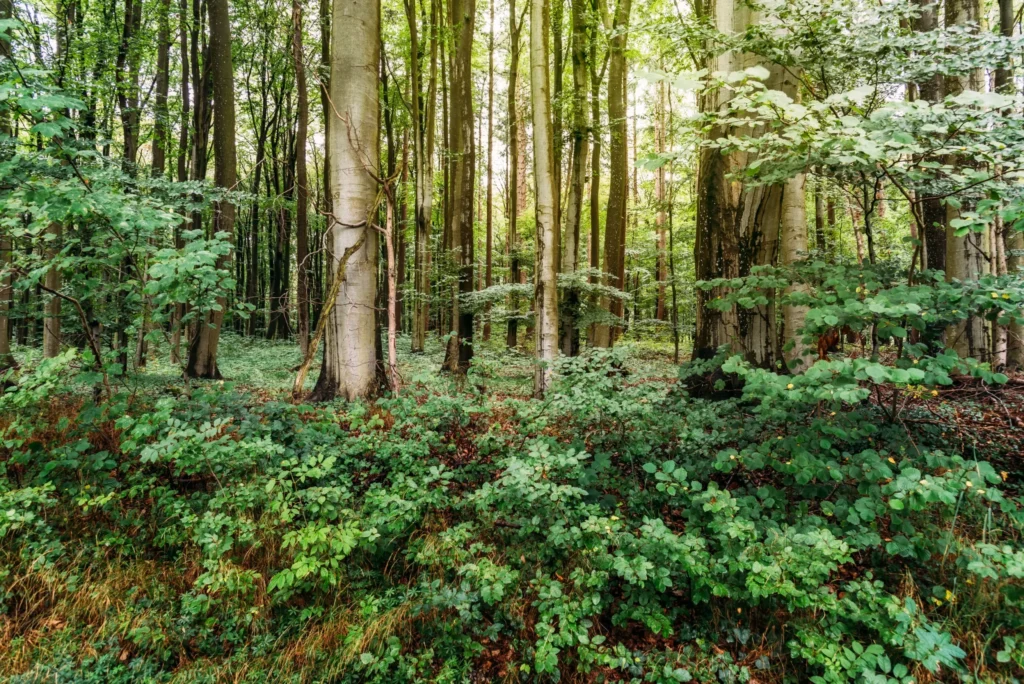
Forests are one of the most valuable resources on our planet and are essential for maintaining the balance of nature. They cover nearly one-third of the Earth’s land area and are home to an incredible variety of life. More than 80 percent of all terrestrial species of animals, plants, and insects live in forests, making them the most biologically diverse ecosystems on land. Forests not only support wildlife but also play a crucial role in human life. Around 1.6 billion people, including many indigenous cultures, women, and rural populations, directly depend on forests for food, medicine, fuel, shelter, and income. For these communities, forests are more than just natural spaces they are a way of life.
Forests also provide important environmental services that sustain the Earth’s systems. They help regulate the climate by absorbing carbon dioxide and storing it, a process known as carbon sequestration. In return, they release oxygen, which is vital for all living beings. Forests help to balance humidity and temperature, and they protect watersheds that supply about 75 percent of the world’s freshwater. Without forests, clean water sources would decline, leading to droughts, poor agricultural productivity, and health challenges for millions of people. By preventing soil erosion and landslides, forests also act as natural barriers against natural disasters such as floods and droughts.
Besides these ecological benefits, forests are directly linked to economic and social development. They provide timber, paper, fibers, resins, and many other resources that fuel industries and global trade. They create jobs in sectors such as forestry, tourism, and manufacturing, making them an important contributor to economic growth. For poor and marginalized communities, forests often provide daily food and energy needs, making them an essential safety net against poverty. Investing in forest conservation and management therefore means investing in people’s livelihoods and creating better opportunities for rural and indigenous populations, especially women and youth.
Despite their importance, forests face serious threats. Every year, millions of hectares of forests are lost due to deforestation caused by agriculture, urban expansion, logging, and mining. Illegal logging and over-exploitation of resources damage forest health and reduce biodiversity. This destruction contributes to climate change, disrupts water cycles, and increases the vulnerability of communities to natural disasters. Land degradation and desertification further worsen the situation by reducing the fertility of soil and the ability of forests to regenerate naturally. If these challenges are not addressed, the world risks losing not only forests but also the critical benefits they provide for human survival.
Recognizing these challenges, the international community has made significant efforts to protect and restore forests. The United Nations has played a leading role by introducing initiatives that raise awareness and encourage action. In 2011, the UN declared the International Year of Forests to promote the importance of sustainable forest management. This was followed by the establishment of the International Day of Forests, celebrated every year on 21 March since 2013, to remind the world of the need to conserve all types of forests. In 2015, the Durban Declaration highlighted the importance of building partnerships between different sectors, such as agriculture, energy, water, and finance, to manage forests in an integrated way. Leaders have also stressed that strong political commitment, effective laws, innovative partnerships, and adequate funding are essential to save forests.
Forests are a central part of the United Nations Sustainable Development Goals, especially Goal 15: Life on Land, which calls on the world to protect, restore, and promote the sustainable use of terrestrial ecosystems. This goal emphasizes the need to sustainably manage forests, combat desertification, halt and reverse land degradation, and stop biodiversity loss. Its targets include halting deforestation, restoring degraded lands, and increasing afforestation and reforestation across the world. It also calls for mobilizing significant resources and providing incentives for developing countries to improve their forest management and conservation efforts. By achieving these targets, countries can help slow climate change, protect biodiversity, and ensure sustainable development for future generations.
The way forward requires collective action at all levels of society. Governments must enforce strong forest laws, support conservation programs, and promote the use of eco-friendly alternatives to reduce pressure on forests. Businesses should adopt sustainable practices and invest in green innovations that protect ecosystems. Local communities and indigenous groups should be involved in decision-making, as they have traditional knowledge and practices that can contribute to sustainable forest management. Individuals, too, can play a role by reducing waste, choosing sustainable products, and participating in tree planting and awareness programs.
Protecting forests is not just about saving trees—it is about protecting life itself. Forests are essential for clean air, freshwater, biodiversity, climate stability, and human well-being. They connect people, cultures, and economies across the world, making their conservation a shared responsibility. By committing to sustainable forest management today, in line with SDG 15, we can ensure that forests continue to provide their many benefits for generations to come.