
Food Security, Nutrition and Sustainable Agricultur
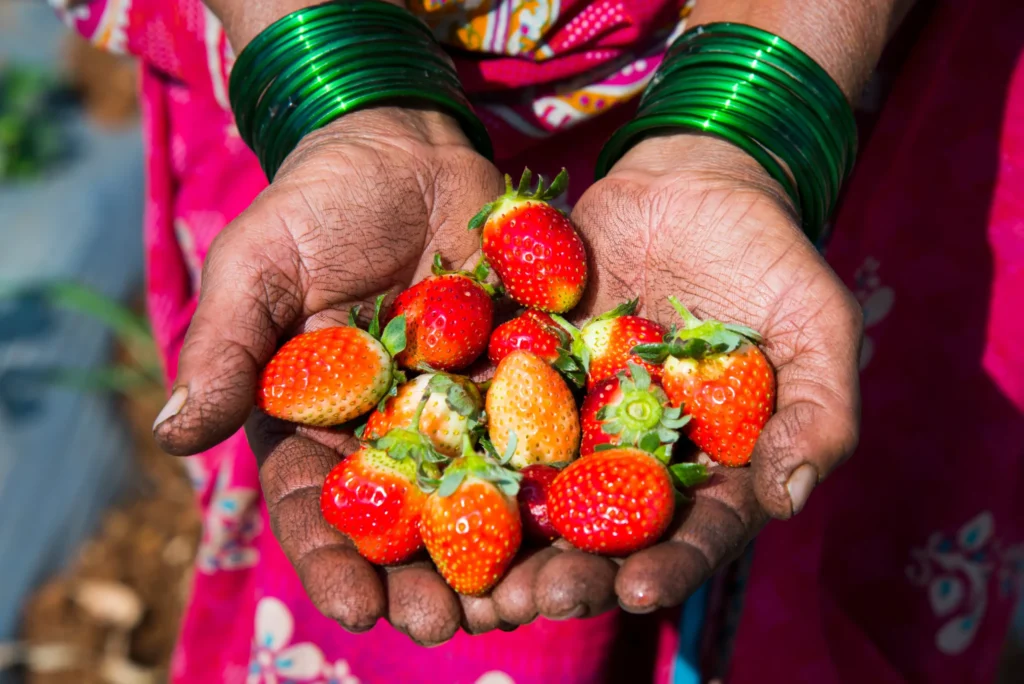
Hunger and malnutrition remain some of the biggest challenges in today’s world, even though food production has grown significantly over the past decades. As the global population continues to rise, the demand for food will keep increasing, and this calls for sustainable solutions. The goal is not only to produce more food but also to ensure that it reaches those who need it most, while reducing waste and protecting the environment. Many believe that ending hunger within a generation is possible, but it requires strong global cooperation, innovation, and commitment.
The right to safe and nutritious food has long been recognized as a basic human right. World leaders reaffirmed this during the Rio+20 Conference in 2012, where the UN Secretary-General launched the Zero Hunger Challenge. This initiative inspired countries, organizations, and communities to take bold steps to eliminate hunger and malnutrition. It set ambitious goals such as ending child stunting, ensuring year-round access to food for all, making food systems sustainable, doubling smallholder productivity and incomes, and cutting food waste to zero. These targets highlight that the fight against hunger goes beyond food supply and includes nutrition, sustainability, and fairness.
Sustainable Development Goal 2 (SDG 2), which focuses on ending hunger, achieving food security, improving nutrition, and promoting sustainable agriculture, builds on these efforts. It recognizes the close links between poverty reduction, gender equality, health, climate change, and sustainable food systems. SDG 2 aims to ensure that by 2030, everyone has access to safe, nutritious, and sufficient food all year round. It also seeks to end all forms of malnutrition, particularly among children, pregnant women, and vulnerable groups, while doubling agricultural productivity and improving rural incomes.
Nutrition plays a key role in this goal. Adequate nutrition during the first 1,000 days of life—from pregnancy to a child’s second birthday—is essential for healthy development. Poor nutrition during this stage can cause long-term damage that affects education, health, and income later in life. At the same time, unhealthy diets and lifestyles are leading to rising cases of non-communicable diseases like diabetes and heart disease, both in rich and poor countries. This makes it necessary to focus not just on calories but also on balanced diets that provide the right vitamins and minerals.
Since hunger and poverty are most severe in rural areas, smallholder farmers are at the heart of the solution. Supporting them with better access to land, seeds, technology, financial services, and markets can boost food production and reduce rural poverty. Many small-scale farmers already hold traditional knowledge about soil, water, and crops, and when combined with modern science, this can lead to more productive and sustainable farming methods. Programs like microfinance, women’s empowerment, and rural infrastructure development also play a vital role in increasing their productivity and income.
Sustainable agriculture is another key element of food security. Agriculture must grow to meet future needs, but it must do so without destroying forests, overusing water, or degrading soils. Practices such as restoring degraded land, using organic fertilizers, developing drought-resistant crops, and improving irrigation systems can help make farming more resilient. Since climate change affects rainfall, pests, and crop yields, investing in agricultural research and innovation is essential to prepare food systems for future challenges.
Land degradation and desertification remain serious threats to food production worldwide. The Rio+20 outcome emphasized the importance of achieving a “land-degradation-neutral world.” Restoring degraded land not only increases food availability but also helps fight climate change by capturing carbon in soils and vegetation. This approach requires cooperation at local, national, and international levels, along with policies that balance agriculture, water, energy, and climate goals.
Global conferences and declarations over the years—from the World Food Summit in 1996 to the Rome Declaration on Nutrition in 2014—have reinforced the importance of food security and nutrition. Initiatives like the Scaling-Up Nutrition (SUN) Movement have shown how linking agriculture with health, education, clean water, and social protection can create lasting improvements in people’s diets and well-being. Similarly, data systems like FAOSTAT provide valuable information that helps countries track progress and make better decisions for food and agriculture.
Ending hunger is not only about producing more food—it is about building fair and sustainable systems that ensure access for everyone, reduce inequality, and protect natural resources. By promoting sustainable agriculture, empowering small farmers, supporting women, and improving global cooperation, SDG 2 offers a pathway toward a future where no one goes hungry. Achieving this vision will require stronger partnerships, innovative technologies, and a commitment to fairness so that every person, everywhere, can enjoy the right to safe and nutritious food.