
Energy
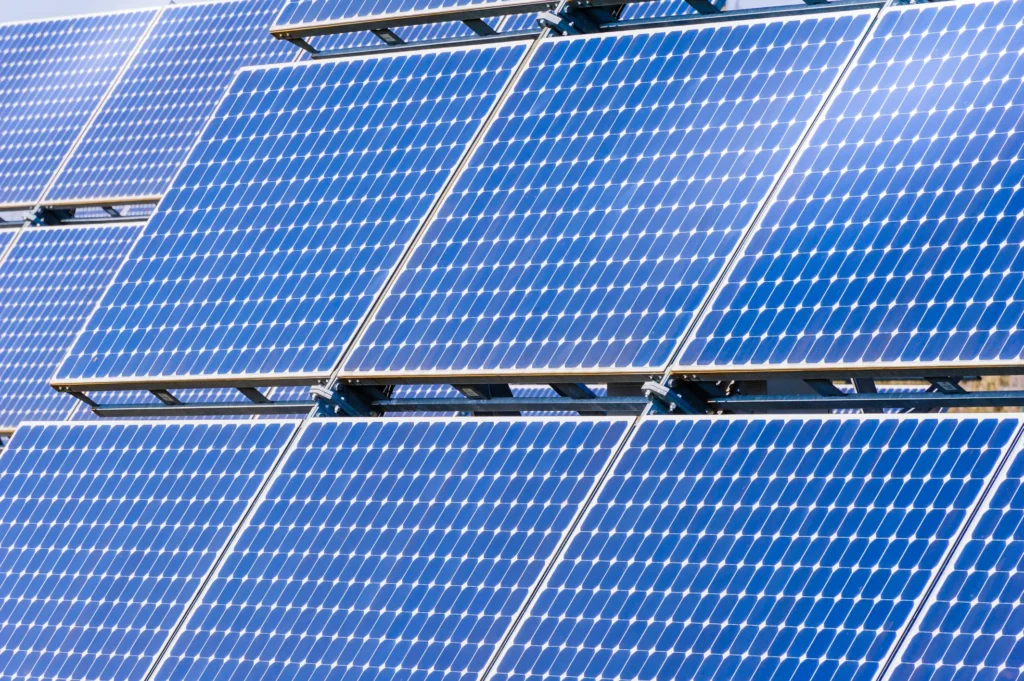
Energy is a driving force behind human progress. It powers homes, schools, hospitals, industries, and transport systems, making everyday life possible. Without affordable and reliable energy, communities face barriers to growth, and opportunities for better health, education, and jobs remain out of reach. This is why the United Nations made Sustainable Development Goal 7 (SDG 7) part of the 2030 Agenda, with the aim of ensuring access to affordable, reliable, sustainable, and modern energy for everyone.
Energy is not just about turning on a switch. The real challenge is to make energy systems clean, efficient, and accessible to all. SDG 7 calls for a greater use of renewable sources like solar, wind, and hydropower, as well as improvements in energy efficiency and infrastructure. When clean and modern energy reaches even remote areas, it reduces pollution, cuts dependence on fossil fuels, and supports a healthier environment for future generations.
Sustainable energy also creates opportunities for stronger economies and better lives. It leads to new jobs, supports innovation, and helps small businesses grow. Reliable energy allows children to study after dark, hospitals to provide life-saving care, and communities to access modern technologies. For women and young people especially, it opens doors to education, employment, and empowerment.
Over the past decade, major efforts have been made to push this vision forward. The Sustainable Energy for All (SE4All) initiative, launched in 2011, united governments, businesses, and organizations around three goals: universal access to energy, improved efficiency, and an increased share of renewables. In 2014, the UN declared 2014–2024 the Decade of Sustainable Energy for All, calling for stronger global action and cooperation.
Key milestones followed. In 2018, SDG 7 was reviewed at the High-Level Political Forum, where world leaders discussed strategies for progress. In 2021, the High-Level Dialogue on Energy—the first global gathering on energy since 1981—produced a global roadmap for accelerated action on SDG 7. It also mobilized more than 400 billion US dollars in voluntary commitments to expand clean and affordable energy worldwide.
The United Nations Department of Economic and Social Affairs (DESA) continues to lead these efforts by coordinating policies, facilitating UN-Energy, and building capacity among countries to achieve their energy goals. Earlier global agreements, such as Agenda 21, the Rio+20 Future We Want declaration, and the Paris Agreement on Climate Change, also emphasized the importance of sustainable energy for development and climate resilience.
Energy is central to achieving a fairer and more sustainable future. Expanding access to affordable, reliable, and modern energy is about much more than powering homes—it is about reducing poverty, creating equal opportunities, and protecting the planet. By working together towards SDG 7, the world can ensure that clean and sustainable energy is available to all, leaving no one behind.