
Disaster Risk Reduction
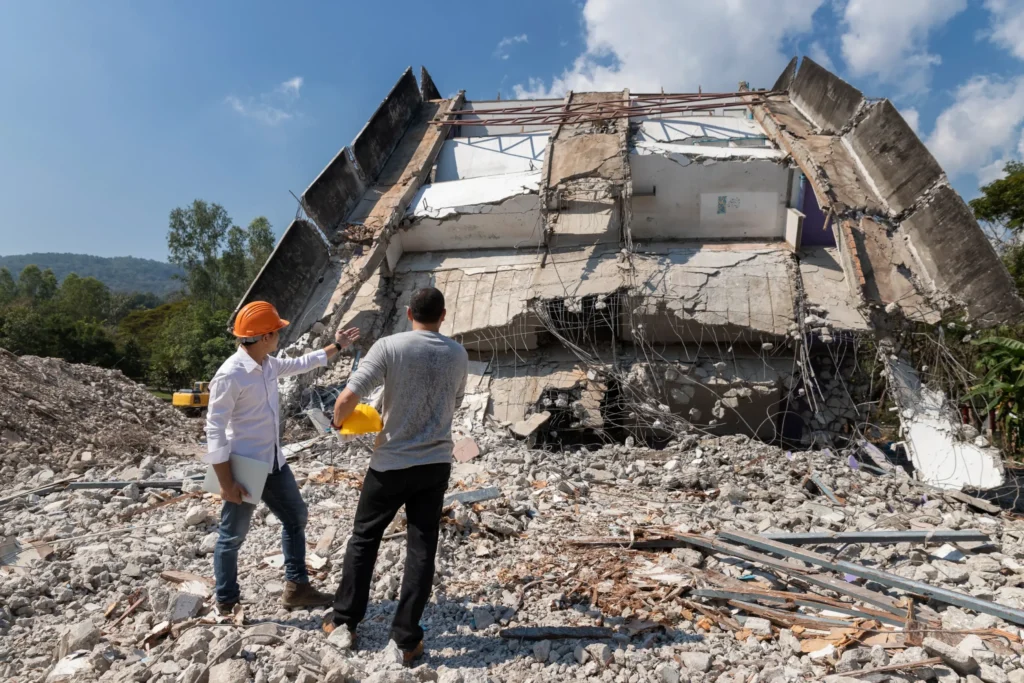
Disaster risk reduction (DRR) is a crucial aspect of sustainable development. It focuses on reducing the damage caused by natural and human-made hazards such as floods, earthquakes, droughts, and storms. Effective DRR ensures that social and economic development is sustainable and resilient to disasters. Recognizing this, global frameworks and policies have continuously emphasized the integration of DRR into development planning to safeguard lives, communities, and economies.
The first major international framework for disaster risk reduction was the Yokohama Strategy and Plan of Action for a Safer World (1994). It highlighted the strong connection between sustainable development and disaster risk management. Since then, this relationship has been reinforced through major global agreements, including the Millennium Development Goals (MDGs), the Johannesburg Plan of Implementation (2002), the Hyogo Framework for Action (2005-2015), the Future We Want (Rio, 2012), the Sendai Framework for Disaster Risk Reduction (2015), and the 2030 Agenda for Sustainable Development. These frameworks consistently stress that reducing disaster risks is essential for achieving long-term economic growth and social stability.
The Sendai Framework for Disaster Risk Reduction, adopted at the Third UN World Conference on Disaster Risk Reduction in March 2015, serves as the current global blueprint for DRR. This 15-year, voluntary, non-binding agreement focuses on seven targets and four priorities for action. It aims to substantially reduce disaster risks, build resilience, and ensure that vulnerable communities are protected. The framework emphasizes the importance of risk assessment, early warning systems, community preparedness, and resilient infrastructure to minimize the impact of disasters.
Disaster risk reduction is closely linked with several Sustainable Development Goals (SDGs). For example, SDG 11 (Sustainable Cities and Communities) emphasizes making cities and human settlements inclusive, safe, resilient, and sustainable. Similarly, SDG 9 (Industry, Innovation, and Infrastructure) focuses on building resilient infrastructure to withstand natural hazards. DRR also connects to SDG 4 (Quality Education) by promoting disaster-resilient education facilities, and to SDG 3 (Good Health and Well-being) by ensuring communities can maintain health services during emergencies. By integrating DRR into sustainable development strategies, countries can protect lives, minimize economic losses, and promote inclusive growth.
Globally, DRR initiatives have included inter-agency collaborations and the development of practical guidelines. For instance, the UN DESA-led Guidelines for Reducing Flood Losses (2004) provide decision-makers with practical options for minimizing flood impacts. At the national and local levels, DRR encourages early warning systems, community education, land-use planning, and infrastructure improvements to reduce vulnerability to disasters. Strengthening institutional frameworks and fostering public-private partnerships are also essential to ensure effective DRR implementation.
Education and awareness play a pivotal role in disaster risk reduction. Building a culture of safety within communities, schools, and workplaces ensures that people know how to respond effectively during emergencies. Training, simulation exercises, and public campaigns help to prepare individuals for hazards and reduce panic during actual events. This proactive approach not only saves lives but also enhances the resilience of society as a whole.
In conclusion, disaster risk reduction is an integral part of achieving sustainable and resilient development. By integrating DRR into policy-making, urban planning, education, and infrastructure development, countries can reduce vulnerabilities, protect communities, and ensure sustainable economic and social progress. With global cooperation, adherence to frameworks like the Sendai Framework, and the pursuit of related SDGs, nations can build safer and more resilient societies capable of withstanding future disasters.