
Africa
Home
/
Key Topics
/
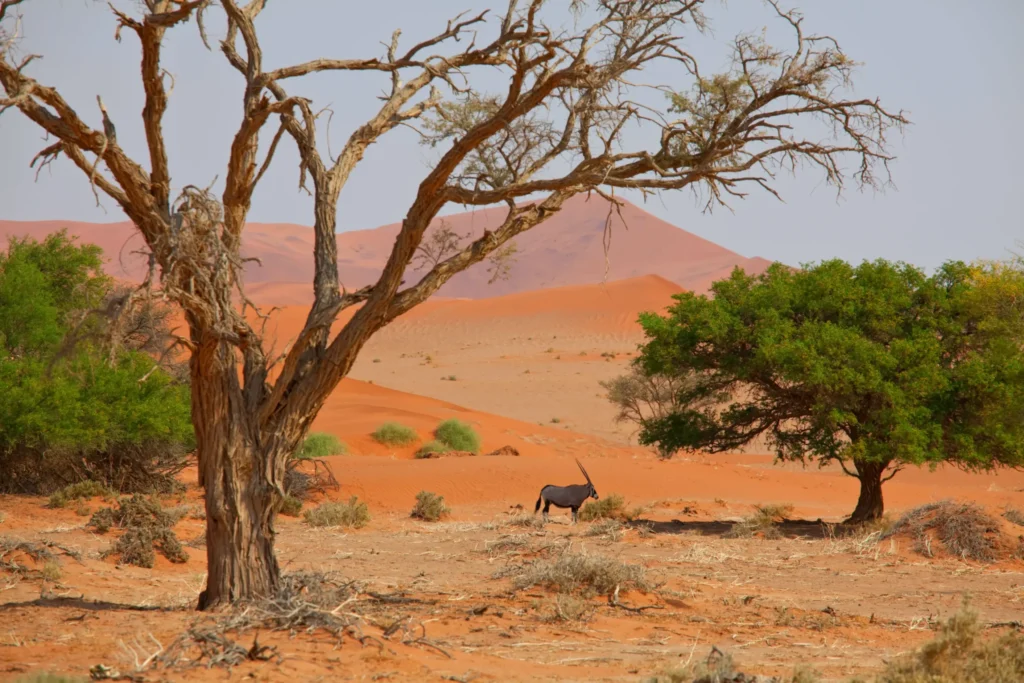
Africa has been at the center of global conversations on sustainable development because of its vast natural resources, its large and growing youth population, and its enormous economic potential. At the same time, the continent faces serious challenges in poverty, inequality, and climate change. The Millennium Development Goals (MDGs) brought progress in many areas, especially in health and education, but by 2015 several key gaps remained. To continue this work, the Sustainable Development Goals (SDGs) of the 2030 Agenda were introduced to address unfinished issues and set a stronger foundation for Africa’s development.
Poverty reduction remains one of the most pressing issues for the continent. While millions of Africans have been lifted out of poverty, Sub-Saharan Africa still has the highest number of people living in extreme poverty, with many families surviving on less than $1.25 a day. Access to basic services like clean water, healthcare, and electricity remains limited, especially in rural communities. Poverty is closely linked to other challenges such as hunger, unemployment, and poor health, which makes tackling it a top priority for sustainable development across Africa.
Health and education are also crucial areas for progress. Africa has made significant strides in reducing child and maternal mortality, recording some of the fastest global improvements during the MDG period. However, child mortality rates in Sub-Saharan Africa remain the highest in the world, and millions of children are still unable to attend school. By 2015, over half of the world’s out-of-school primary-aged children were in Sub-Saharan Africa. While Northern Africa achieved major success in universal primary education and sanitation, other parts of the continent still struggle to ensure equal access to quality healthcare and education.
Gender equality continues to be another important issue. In Northern Africa, women’s participation in paid work outside agriculture has hardly improved in the past two decades, and women still represent less than one-fifth of the workforce in many industries. This inequality reduces women’s opportunities to contribute fully to political, economic, and social life. Ensuring equal opportunities for women in education, jobs, and leadership positions is essential for inclusive and sustainable growth in Africa.
Infrastructure and energy access also remain major obstacles. By 2012, only 15% of rural populations in Sub-Saharan Africa had electricity. Poor infrastructure, including weak road networks, unreliable transport, and limited energy, slows down industrialization and economic growth, keeping many communities cut off from markets, schools, and hospitals. The lack of modern energy services has been described as a “poverty trap,” making it harder for people to improve their quality of life. Programs such as the UN’s Sustainable Energy for All (SE4All) and SDG 7 stress the importance of clean, affordable, and widely available energy to support Africa’s development.
Environmental issues also create serious risks. Africa faces desertification, deforestation, land degradation, and the harsh effects of climate change. Changing rainfall patterns, droughts, and floods affect agriculture—the main source of income for millions of people. These challenges threaten food security and worsen poverty, especially for rural families that depend on farming. To address these risks, sustainable land management, reforestation, and investment in climate-resilient farming are urgently needed.
In response to these difficulties, African leaders launched the New Partnership for Africa’s Development (NEPAD) in 2001 as a shared framework for sustainable development. NEPAD emphasized cooperation among African nations and partnerships with the global community to fight poverty and support long-term growth. It also promoted regional integration, encouraging African governments to work together through the African Union and regional communities to strengthen peace, security, and development.
International support has been an important part of Africa’s progress. Debt relief initiatives such as the Heavily Indebted Poor Countries (HIPC) program launched in 1996 by the IMF and the World Bank helped free up resources for governments to invest in education, health, and infrastructure. The United Nations also prioritized Africa, creating the Office of the Special Adviser on Africa (OSAA) in 2003 and ensuring that Africa’s development needs were included in global plans such as the Johannesburg Plan of Implementation.
The 2030 Agenda for Sustainable Development highlights Africa as a priority region, focusing on addressing MDG gaps and supporting the most vulnerable countries. It calls for stronger investment in African education, including scholarships in science, technology, and engineering, to build local skills for innovation and growth. It also underlines the importance of building resilient infrastructure, attracting foreign investment, and providing financial support to strengthen African economies.
A growing focus in recent years has been the Nexus approach, which recognizes that progress in energy, health, education, water, and food are interconnected. For instance, access to clean energy directly improves healthcare, schools, and economic opportunities. In 2013, the United Nations, alongside the Economic Commission for Africa and other partners, hosted a Global Conference on Rural Energy Access in Addis Ababa to highlight how this integrated approach could help fight poverty and speed up Africa’s sustainable development.
Reducing inequality is especially critical for Africa’s sustainable future. Despite periods of strong economic growth, gaps between rich and poor are widening, and disparities remain between urban and rural areas. Many rural communities lack proper schools, hospitals, and infrastructure, leaving them further behind. Inequality is also evident at the global level, as African nations often face disadvantages in trade, finance, and access to technology compared to wealthier countries. This imbalance reduces Africa’s ability to benefit fully from globalization and slows down progress.
Addressing inequality requires focused investments in healthcare, education, and rural development, as well as policies that promote fairer opportunities for women, youth, and marginalized groups. Internationally, there is also a need for fairer trade systems, debt relief, financial support, and stronger participation of African countries in global decision-making. By reducing inequality within nations and across the world, Africa can build fairer, more inclusive societies while also contributing to balanced and sustainable global growth.