
Employment Decent Work For All and Social Protection
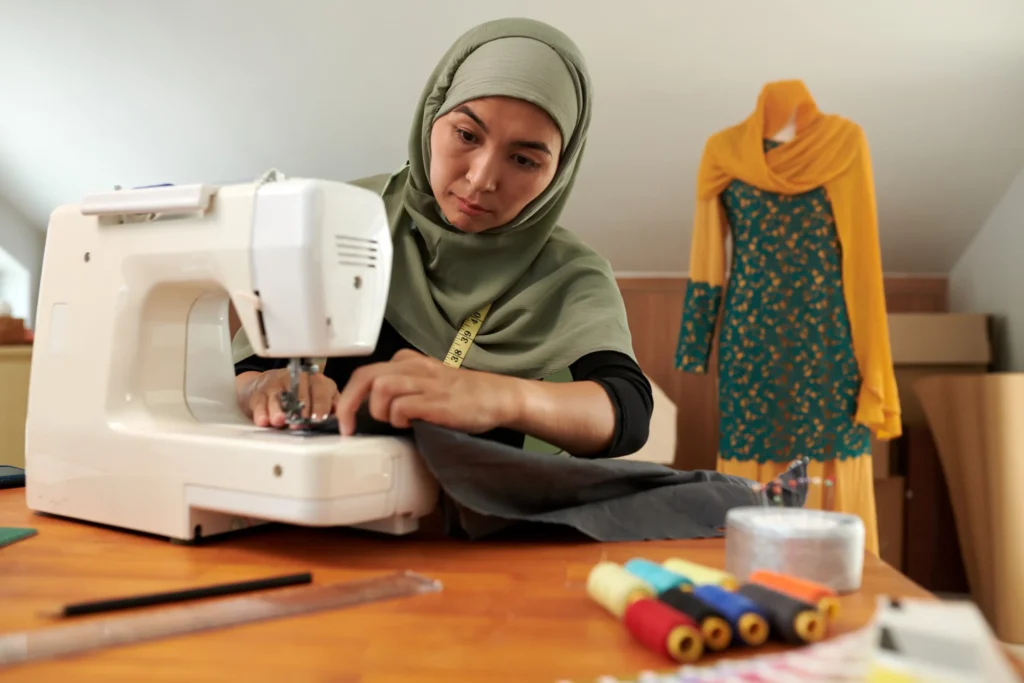
Employment is one of the strongest foundations for human development and social progress. A job provides much more than just income; it gives people dignity, stability, and the opportunity to contribute to their families and communities. Without access to employment, poverty and inequality remain widespread. However, it is not enough to create jobs alone—what truly matters is the quality of those jobs. Decent work is about providing safe working conditions, fair wages, equal opportunities, and respect for workers’ rights. This idea is central to global development efforts, and it is clearly emphasized in the 2030 Agenda for Sustainable Development.
The concept of decent work for all is deeply connected to Sustainable Development Goal 8, which aims to promote sustained, inclusive, and sustainable economic growth, full and productive employment, and decent work for everyone. Decent work is not only about having employment but also ensuring that the work people do allows them to live with dignity, security, and fairness. It involves protecting vulnerable groups such as women, youth, rural workers, and low-income communities who often face barriers in accessing stable and well-paying jobs. When these groups are supported, societies become stronger and more inclusive.
One of the greatest challenges faced globally is youth unemployment. Millions of young people enter the job market each year but are often met with unstable, low-paying, or temporary positions. The Rio+20 Conference and the Johannesburg Plan of Implementation both recognized this issue and urged governments to take urgent steps to create more opportunities for youth. By investing in education, vocational training, and skills development, countries can prepare younger generations to participate in the workforce and drive innovation, productivity, and sustainable growth. Without these opportunities, the risks of poverty and inequality will continue to increase, but when addressed properly, youth employment can bring long-lasting benefits to societies.
Employment also plays a crucial role in reducing poverty. Agenda 21 clearly identified the need to strengthen employment and income-generating programs as tools for eradicating poverty. It encouraged governments to design strategies that directly or indirectly create jobs, especially for vulnerable groups such as women and the urban poor. By making employment a priority, societies can lift people out of poverty and provide them with a stable future. The link between decent work and poverty reduction is undeniable; when people have fair opportunities for employment, they can support their families, invest in their communities, and contribute to economic development.
Alongside employment, social protection systems are vital for ensuring fairness and stability. Social protection refers to measures such as healthcare, pensions, unemployment benefits, and support for families. These systems act as a safety net during times of crisis, preventing individuals from falling into extreme poverty when they lose a job, become ill, or face unexpected hardships. They also help reduce inequality and provide vulnerable groups with the support they need to live securely. Strong social protection, combined with fair employment opportunities, creates an environment where people can thrive even during difficult times.
Good governance and respect for human rights are also essential in creating decent work and social protection. The Johannesburg Plan of Implementation emphasized that good governance, democratic institutions, gender equality, and transparent policies are the basis for sustainable growth. When governments uphold the rule of law and ensure equal opportunities for all, they build trust, attract investment, and create conditions where businesses and workers can succeed together. Rights at work, such as freedom of association, protection against discrimination, and the elimination of forced and child labor, are equally important to ensure that development benefits everyone fairly.
Employment, decent work, and social protection are deeply connected to economic growth. When people have stable and fair jobs, they spend more, invest in education, and contribute to their communities, creating a cycle of growth that benefits society as a whole. Sustainable growth must also be inclusive, ensuring that opportunities reach all sections of the population and not just a privileged few. Supporting small businesses, encouraging innovation, and creating environmentally friendly industries are some of the ways to ensure long-term and fair employment.
Employment, decent work for all, and social protection are not only fundamental rights but also powerful tools for achieving sustainable development. They help reduce poverty, promote equality, and build stronger and more just societies. By addressing the challenges of youth unemployment, ensuring fairness in the workplace, protecting vulnerable groups, and providing social safety nets, governments can create conditions where every individual has the chance to thrive. This vision is strongly reflected in Sustainable Development Goal 8, which calls for sustained, inclusive, and sustainable economic growth, full and productive employment, and decent work for all.